
- Home
- Artists & Makers
- Thompson of Meriden
Thompson of Meriden
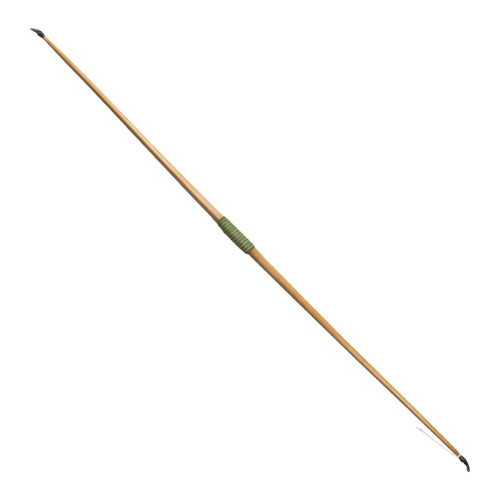
Thompson of Meriden was a provincial English bow maker and sporting goods trade name associated with the production and retail of traditional longbows during the late Victorian and Edwardian periods. While far less extensively documented than major London bowyers, the name is recognised among collectors as part of the wider network of regional manufacturers that supported Britain's archery revival.
The business is linked to Meriden, a village in the English Midlands with a long history of small-scale craft and metalworking industries. In this context, Thompson of Meriden is believed to have operated as either a local bow maker or a sporting goods retailer who supplied bows stamped with the firm's trade name.
Activity is generally dated to the late 19th century through the early decades of the 20th century, a period when organised archery was transitioning from elite Victorian society circles into broader club-based recreational sport. During this time, demand for affordable, functional equipment increased, allowing smaller provincial makers to coexist alongside prominent London firms.
Bows associated with Thompson of Meriden are typically traditional English longbows, most often constructed from yew or similar hardwoods. Compared to the highly finished products of leading makers, these bows tend to be more utilitarian in character, suggesting they were intended for club archery and general sporting use rather than elite competition or aristocratic patronage.
Unlike major contemporaries such as Buchanan of Piccadilly, Thompson of Meriden does not appear to have held royal warrants or operated a large-scale manufacturing enterprise. Instead, the name likely represents a modest regional trade
Thompson of Meriden was a provincial English bow maker and sporting goods trade name associated with the production and retail of traditional longbows during the late Victorian and Edwardian periods. While far less extensively documented than major London bowyers, the name is recognised among collectors as part of the wider network of regional manufacturers that supported Britain's archery revival.
The business is linked to Meriden, a village in the English Midlands with a long history of small-scale craft and metalworking industries. In this context, Thompson of Meriden is believed to have operated as either a local bow maker or a sporting goods retailer who supplied bows stamped with the firm's trade name.
Activity is generally dated to the late 19th century through the early decades of the 20th century, a period when organised archery was transitioning from elite Victorian society circles into broader club-based recreational sport. During this time, demand for affordable, functional equipment increased, allowing smaller provincial makers to coexist alongside prominent London firms.
Bows associated with Thompson of Meriden are typically traditional English longbows, most often constructed from yew or similar hardwoods. Compared to the highly finished products of leading makers, these bows tend to be more utilitarian in character, suggesting they were intended for club archery and general sporting use rather than elite competition or aristocratic patronage.
Unlike major contemporaries such as Buchanan of Piccadilly, Thompson of Meriden does not appear to have held royal warrants or operated a large-scale manufacturing enterprise. Instead, the name likely represents a modest regional trade
operation or retail stamp, reflecting the widespread and fragmented nature of archery supply during the period.
The firm appears to have faded from use in the early 20th century, as the popularity of traditional archery declined sharply following the First World War and many small sporting trades either closed or were absorbed into broader sporting goods companies.
Today, bows marked "Thompson Meriden" are of interest primarily to collectors and historians as examples of provincial British archery manufacture. They represent the more everyday side of Victorian and Edwardian archery culture, contrasting with the prestige and prominence of major London makers, yet still forming an important part of the sport's material history.
1 ITEM
Please create wishlist to add this item to
