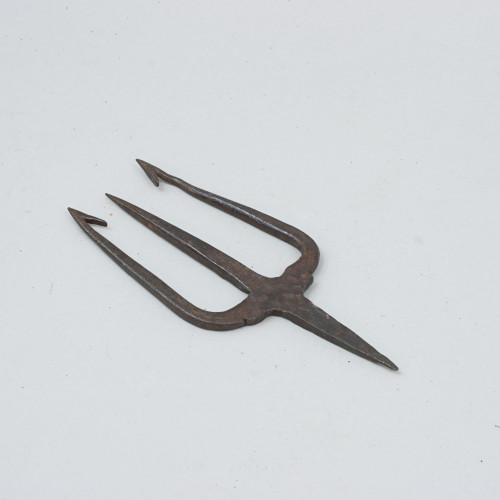
Antique Fishing Eel Spear
Antique Fishing Eel Spear
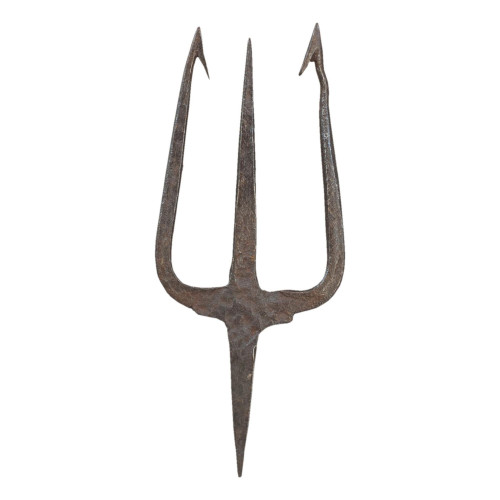
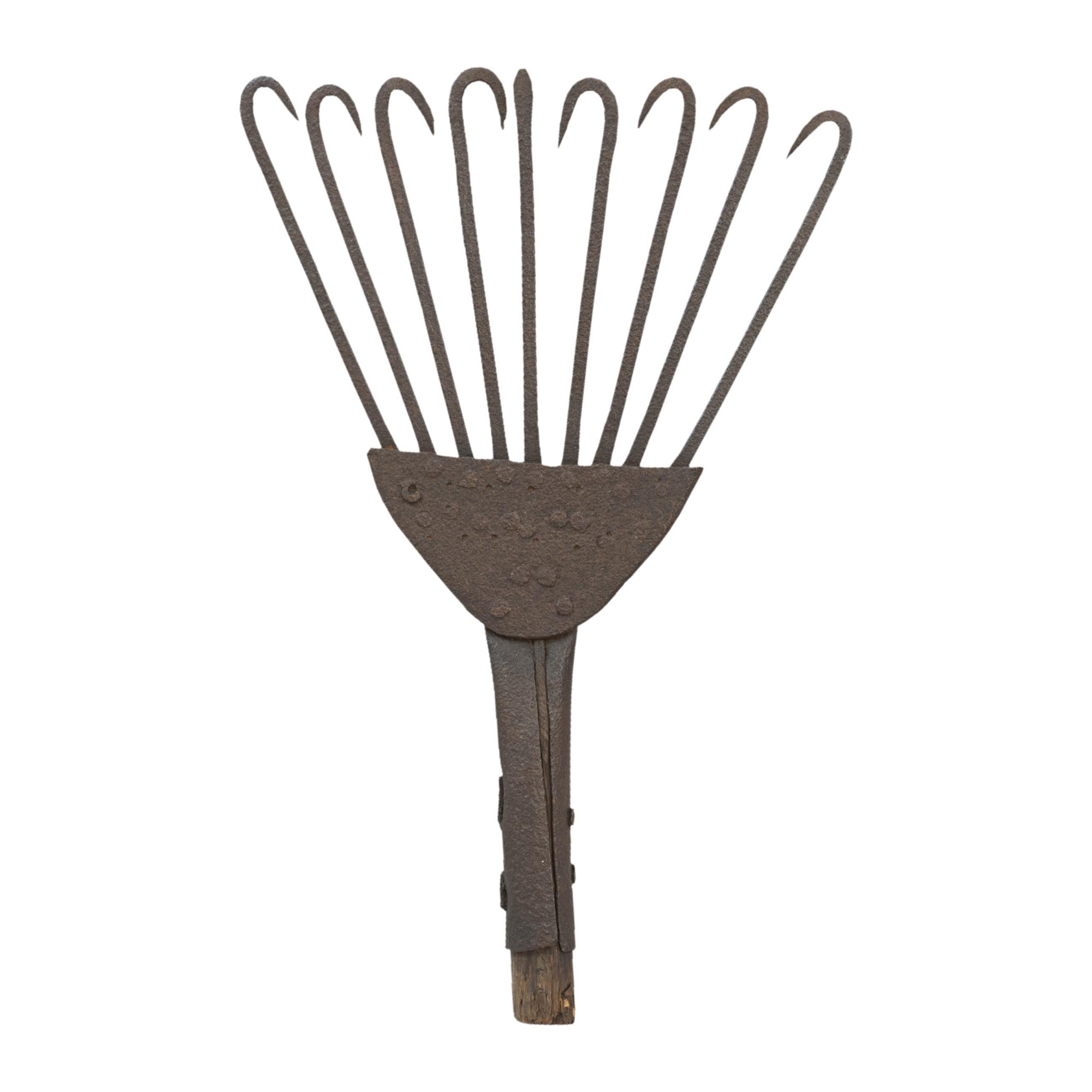
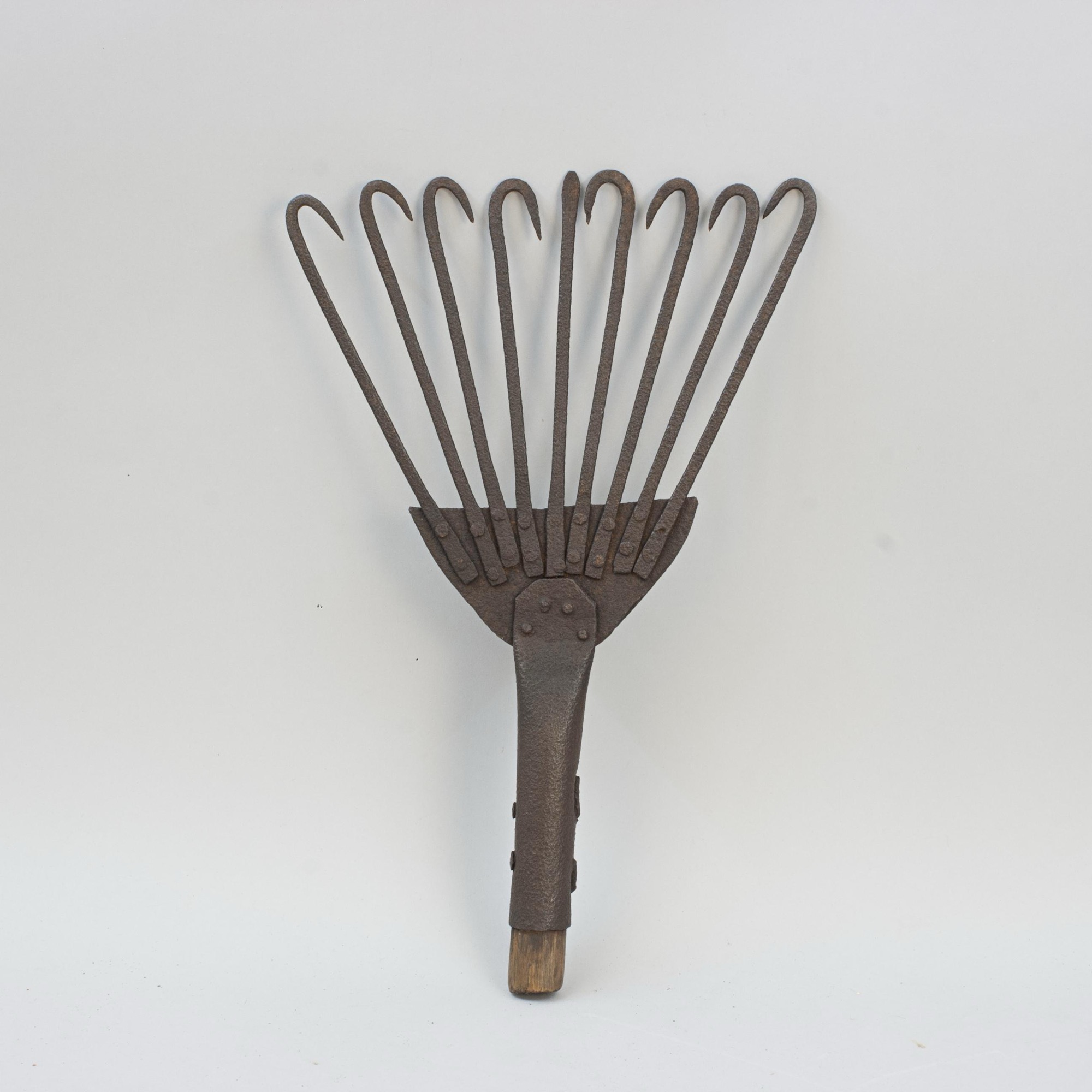
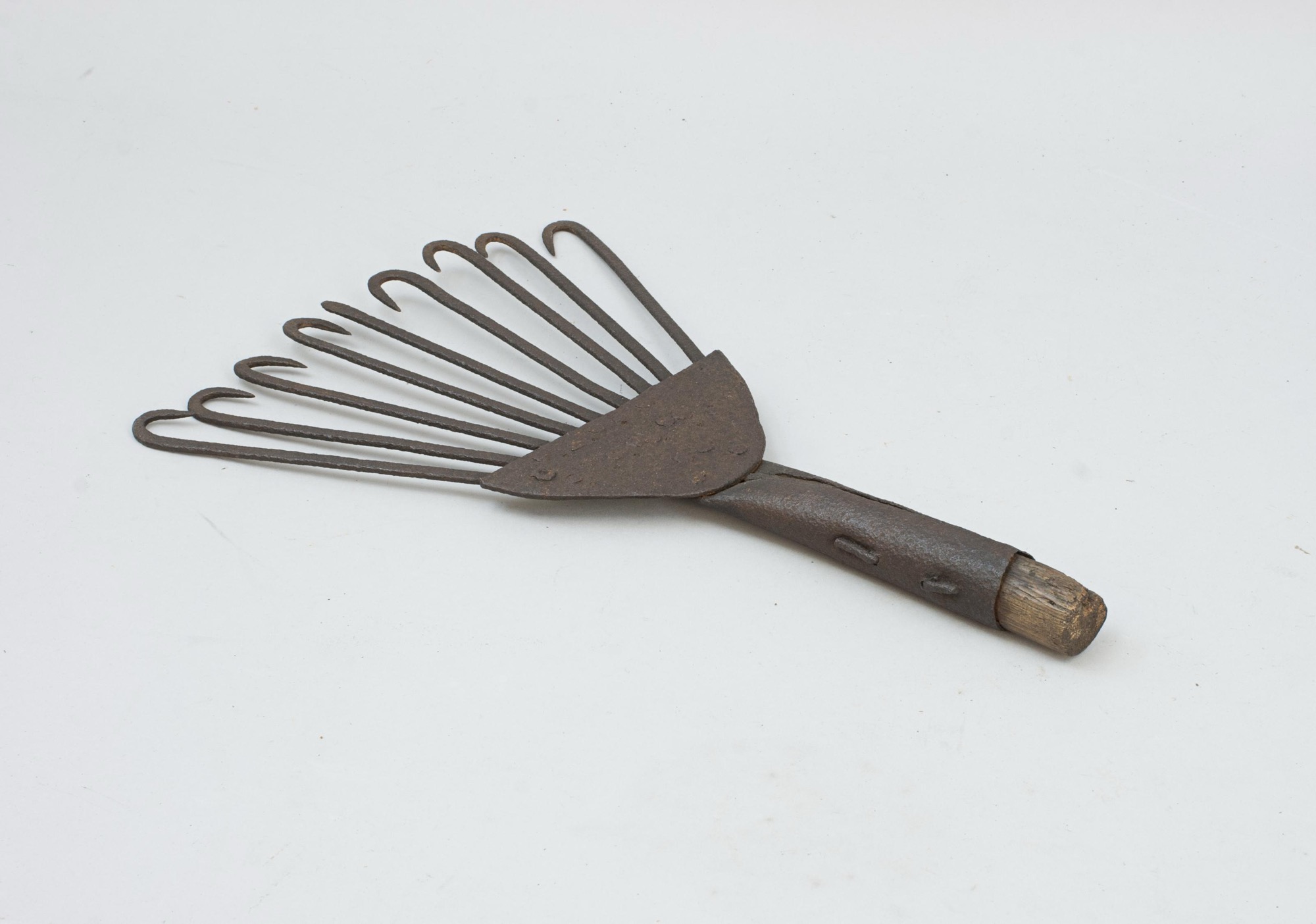
Antique Hand-Forged Eel Spear, Eel Gig.
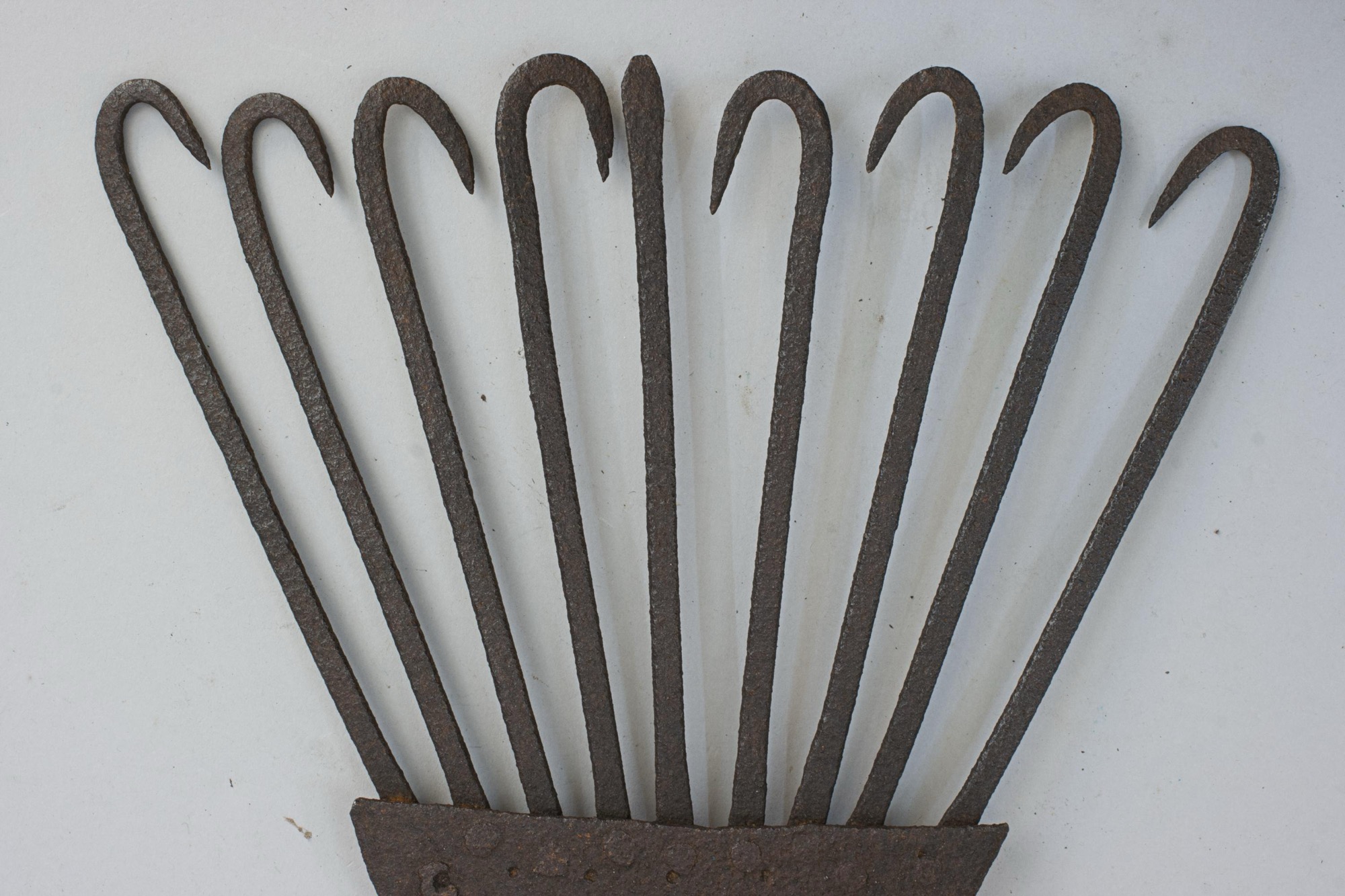
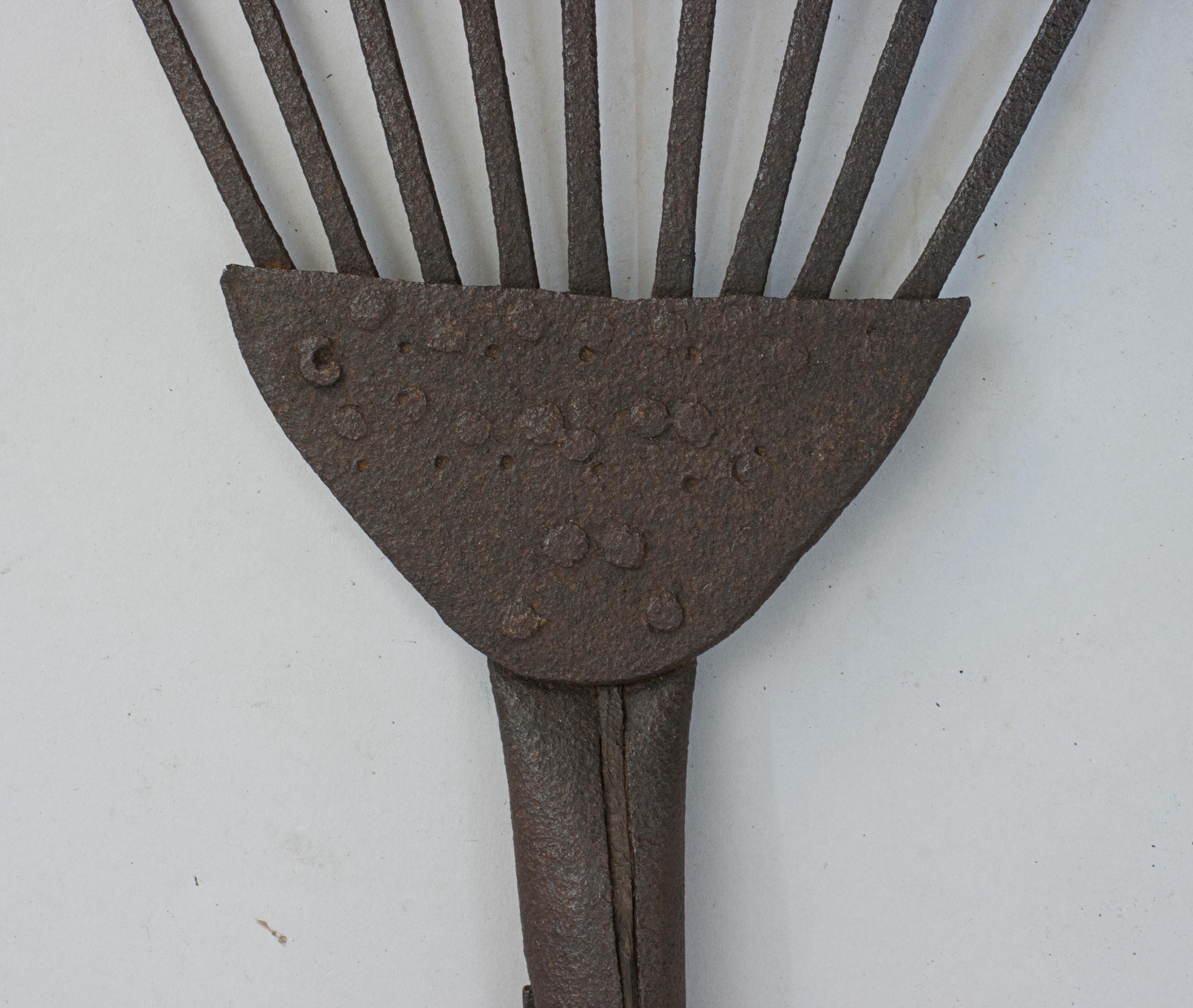
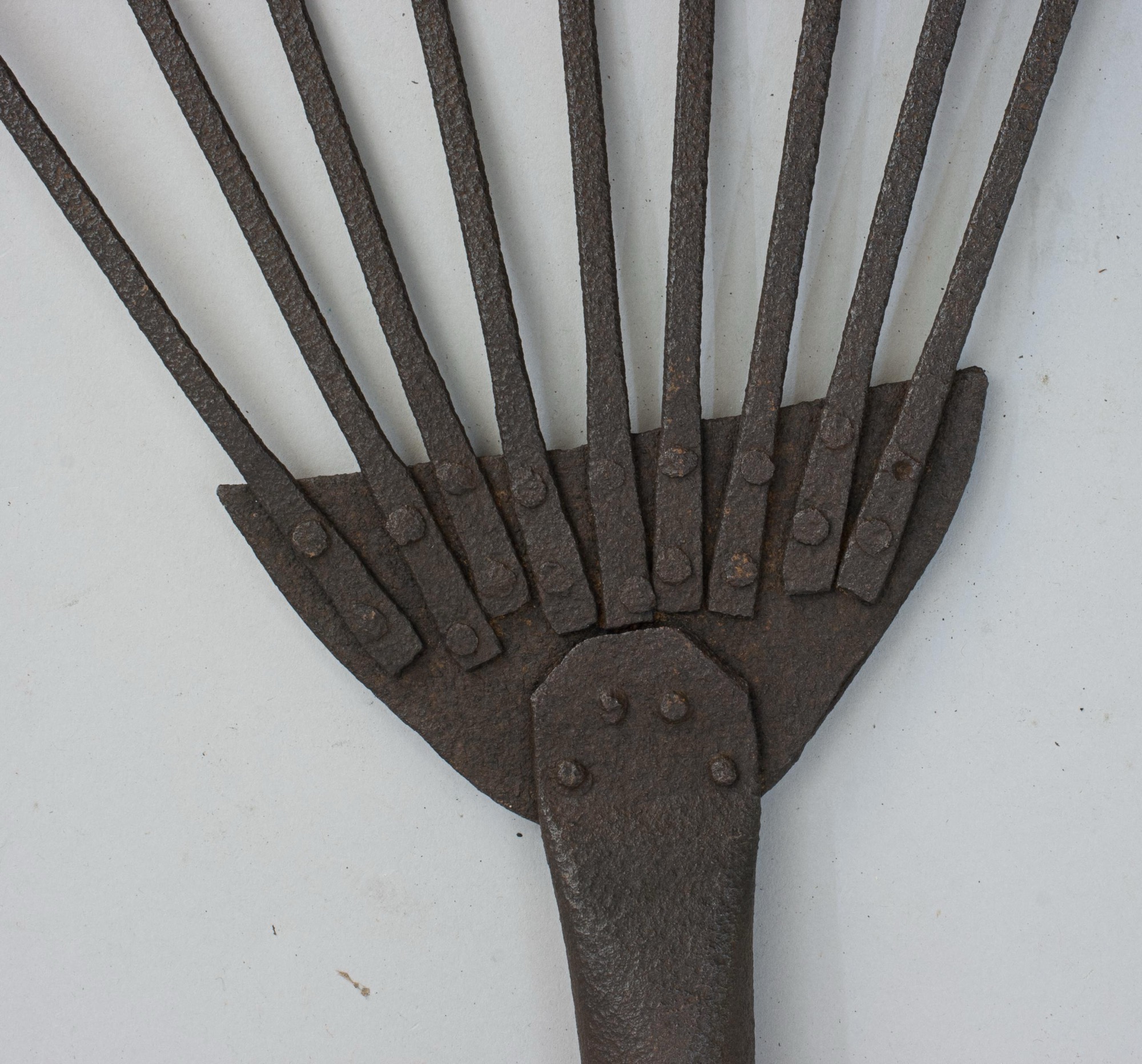
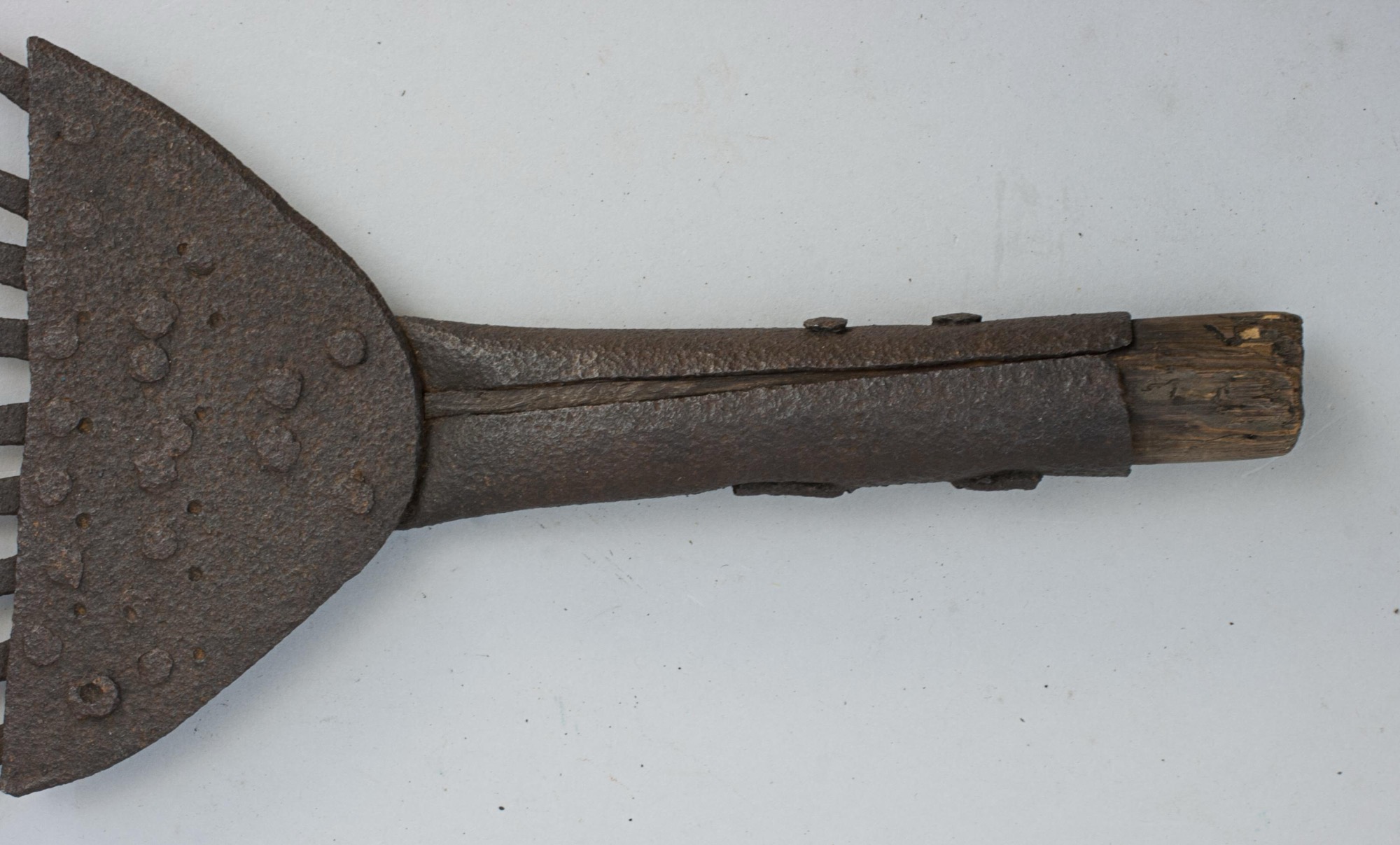
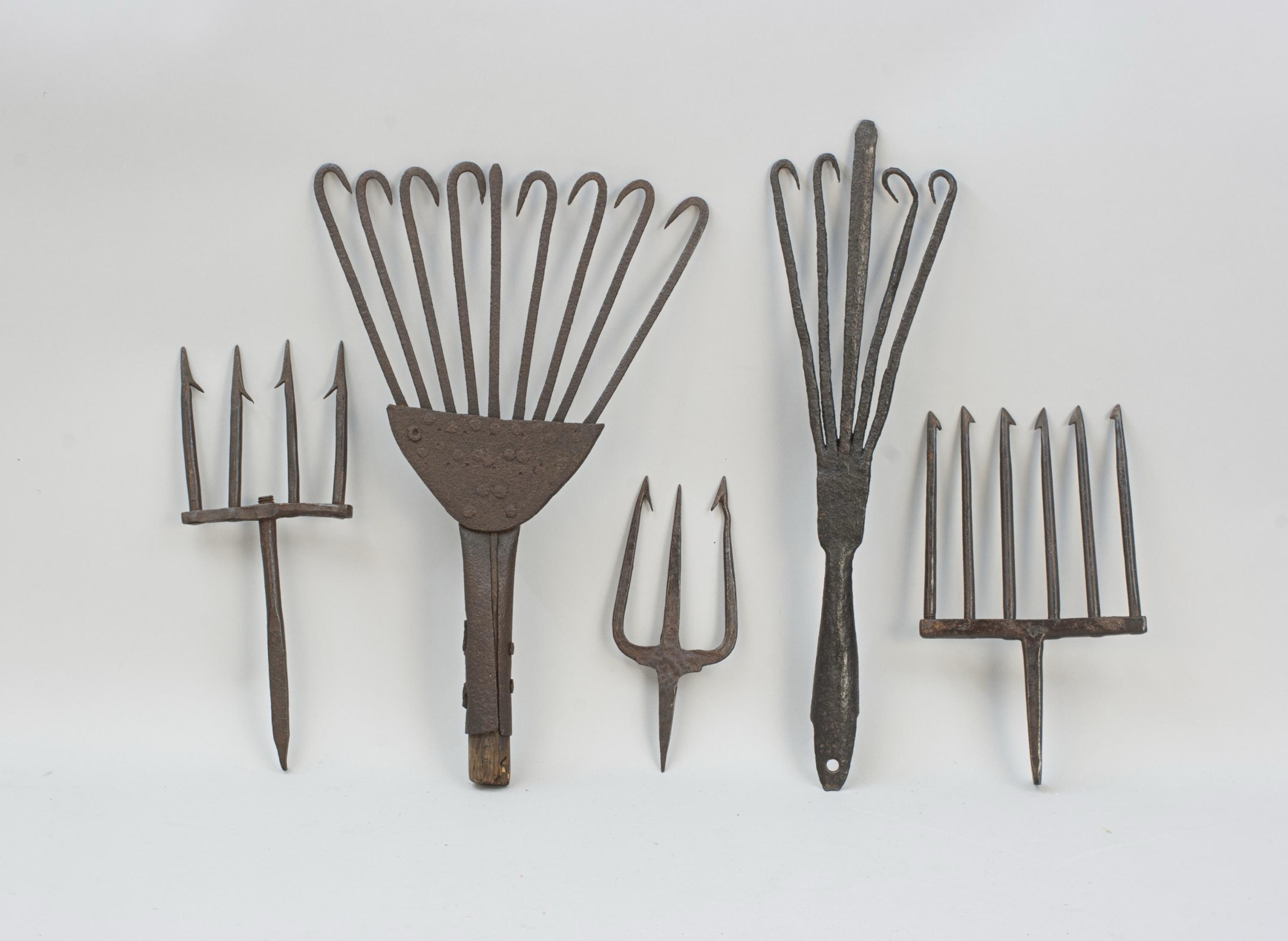
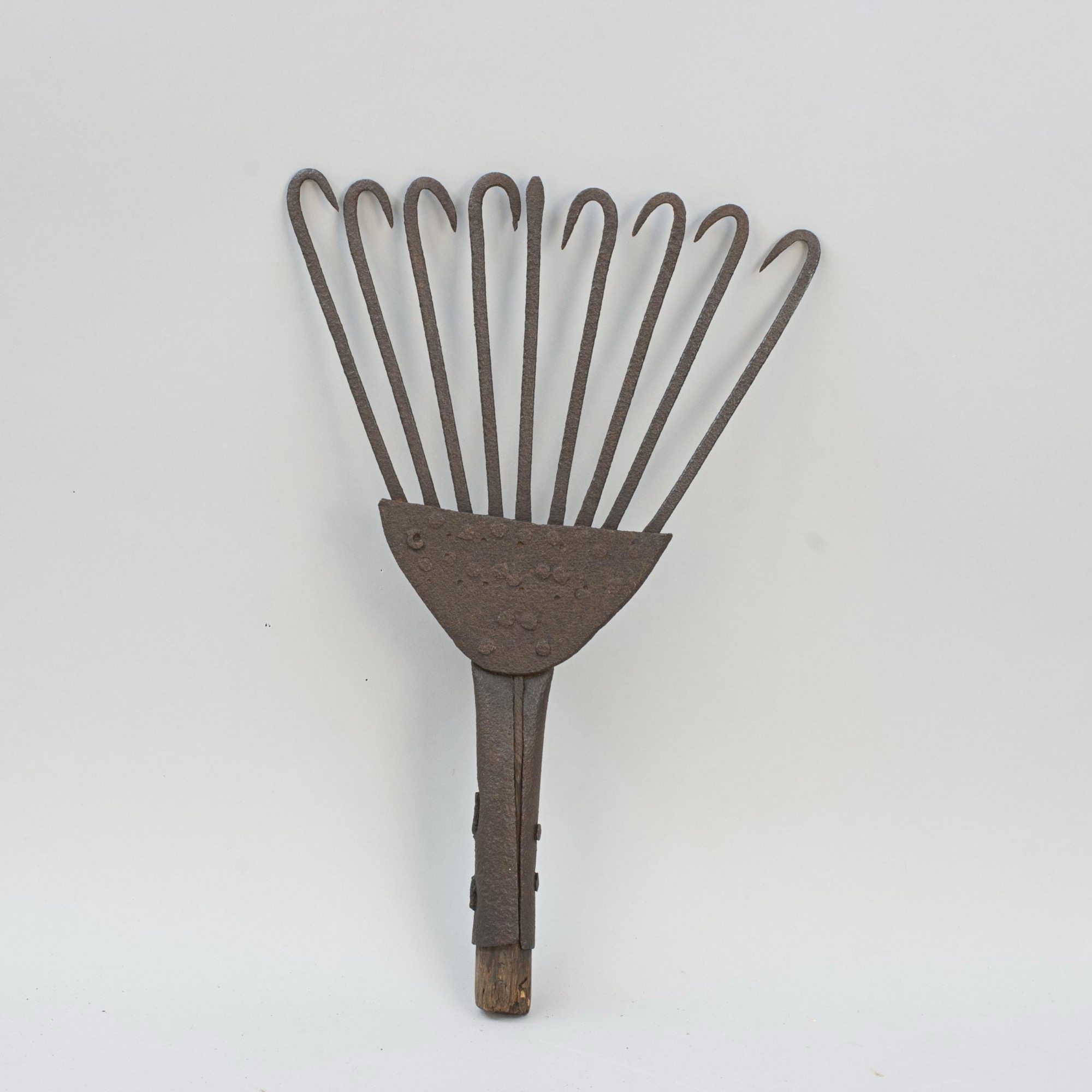
A striking example of a traditional Victorian eel spear, this hand-forged wrought iron eel gig is a fine survivor from the 19th century. Crafted by a local blacksmith, it reflects the practical ingenuity and skilled workmanship that characterised rural fishing communities of the period. The spear features nine long, slender tines, eight terminating in inward-facing hooks designed to secure slippery prey once struck. Originally mounted on a wooden shaft, it would have been used from a boat, riverbank, or exposed mudflats after the tide had receded. The spear was thrust down into the mud where eels were believed to be lying concealed, the closely spaced tines trapping the eel securely between them.
Unlike salmon spears, or leisters, which relied on barbed points to pierce and hold a fish, eel spears were designed to retain their catch without causing unnecessary damage. Their distinctive arrangement of narrow tines allowed the eel to be gripped firmly, preventing escape while preserving the quality of the flesh.
Hand-forged from wrought iron, the piece retains visible hammer marks and an attractive aged patina developed through years of use and exposure. The elegant, almost sculptural form of the tines is testament to the blacksmith's skill, combining practical function with a surprisingly graceful appearance.
Eel spears formed an important part of traditional inland fishing for centuries and were produced in a variety of forms to suit different conditions. Broad, relatively short examples were intended for use on hard river or estuary bottoms, where wide coverage was more important than penetration. In contrast, longer and narrower spears, known among fishermen as "spears for no bottom", were designed for deep dykes, soft mud, and heavy clay. Their elongated prongs were specifically shaped to penetrate thick sediment where eels often lay hidden.
For fishing in deeper waters, eel spears could be mounted on substantial ash shafts measuring up to twenty feet in length, while shorter, lighter-handled examples were commonly used in canals, ditches, and drainage dykes. Whatever their form, they remained essential tools for harvesting a valuable and widely consumed food source.
Today, surviving examples are becoming increasingly scarce, particularly those retaining such honest surface wear, untouched patina, and evident signs of hand craftsmanship. As both a fascinating relic of historic fishing practices and an impressive piece of vernacular ironwork, this spear offers a tangible connection to Britain's rural past.
A rare and evocative example of traditional blacksmith-made fishing equipment, rich in history, craftsmanship, and authentic period character.
Dimensions:
1850-1899
Circa 1890
Wrought iron
United Kingdom
Good
RELATED ITEMS