Early Single-soled Curling Stone With Hoop Handle
Early Single-soled Curling Stone With Hoop Handle
31525
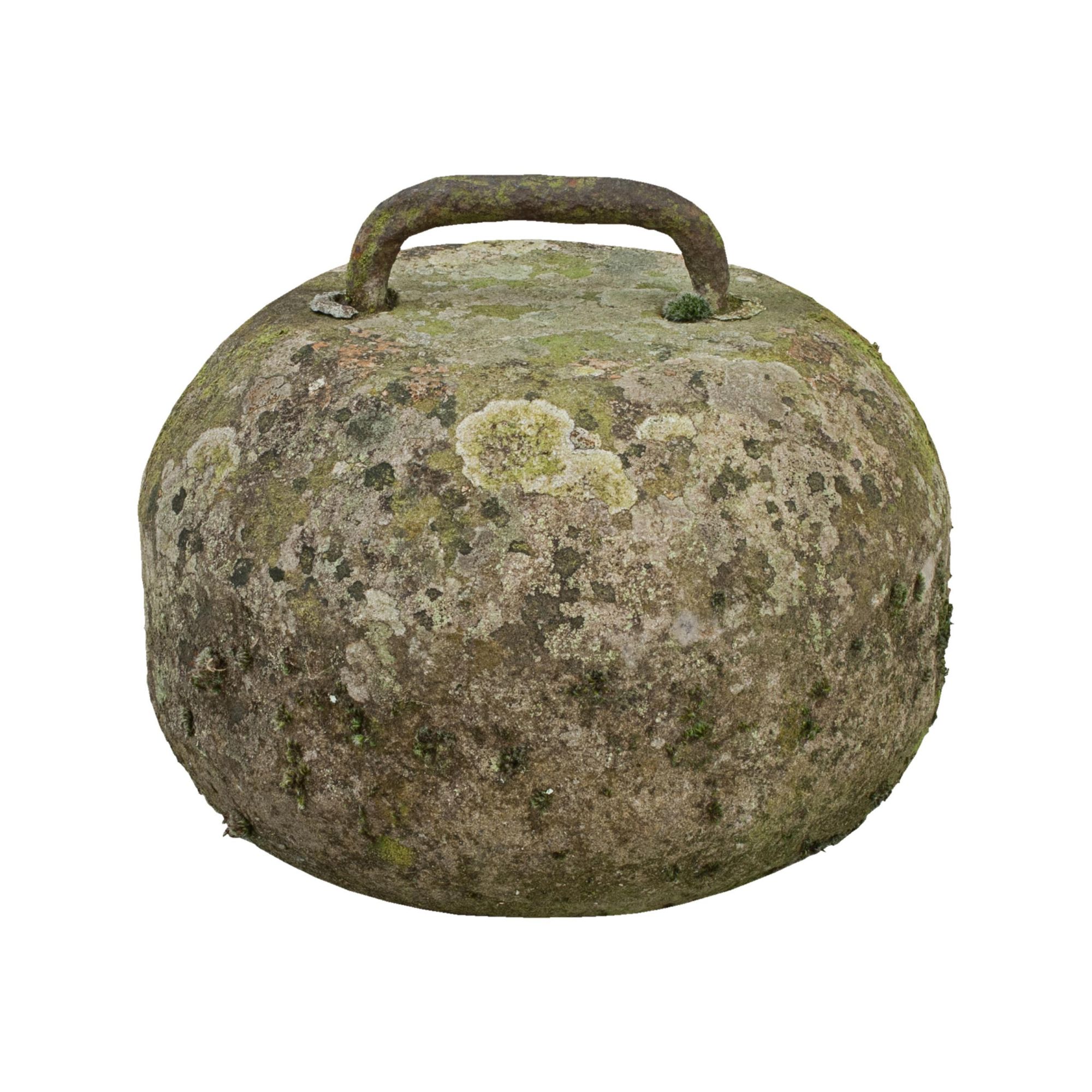
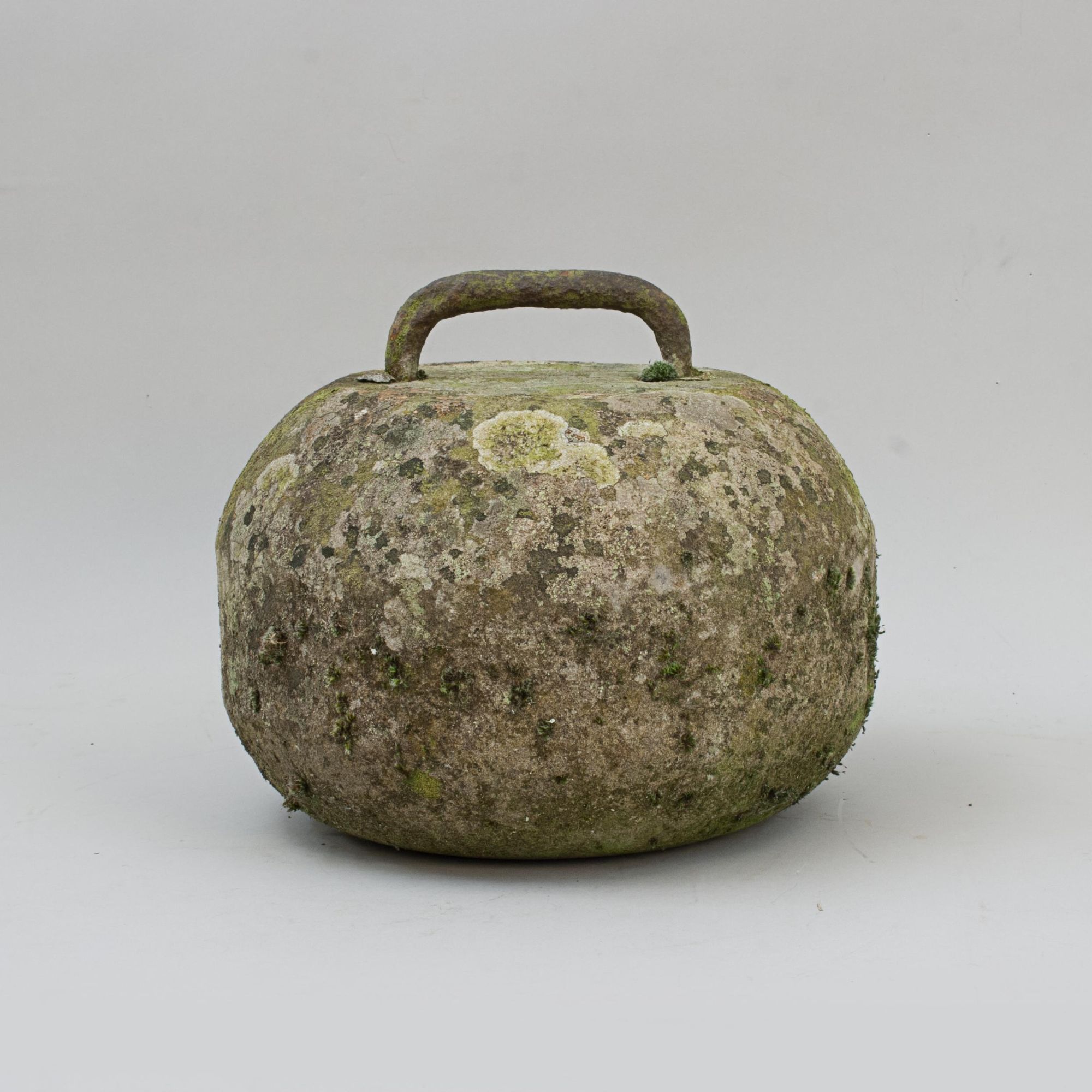
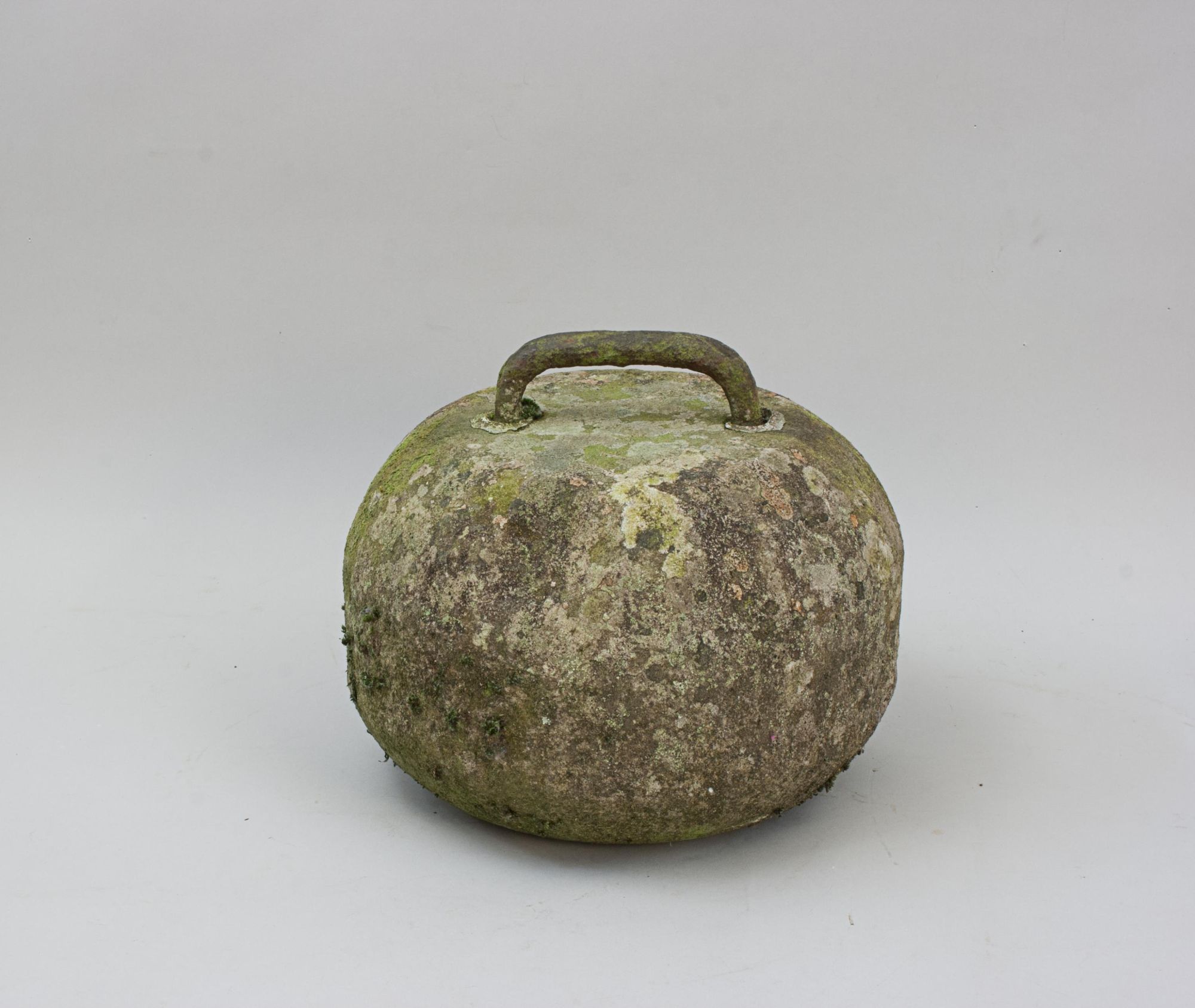
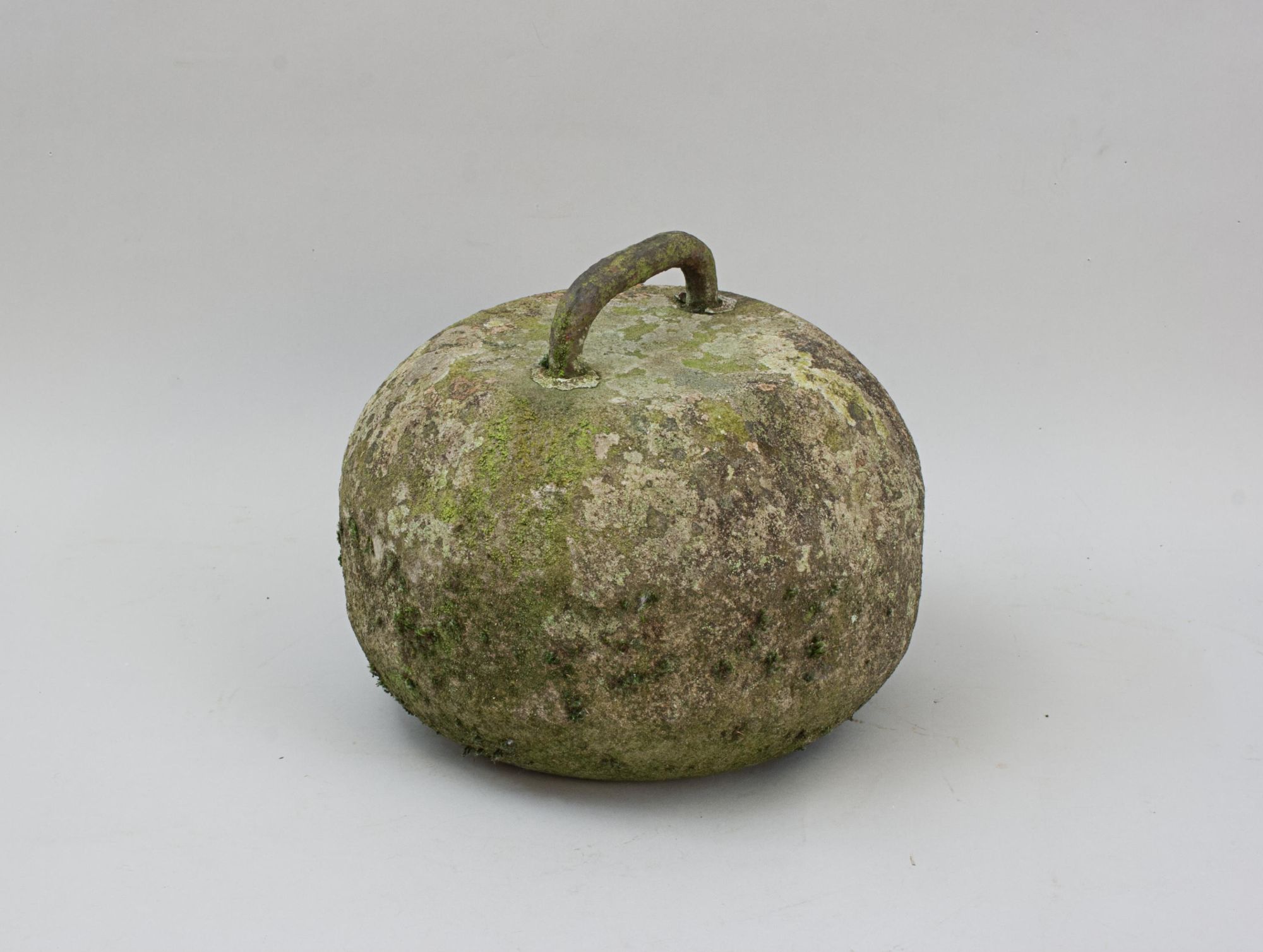
Large Early Single-Soled Granite Curling Stone with Forged Iron Handle
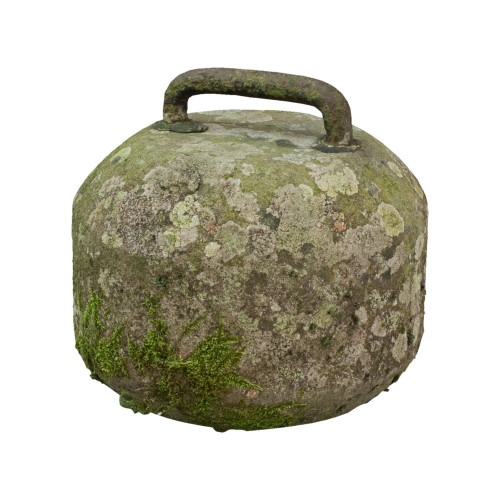
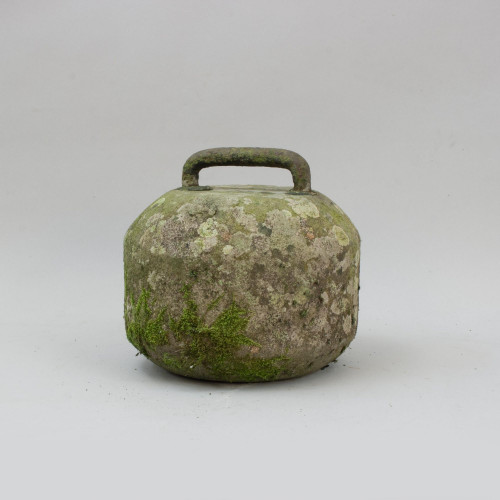
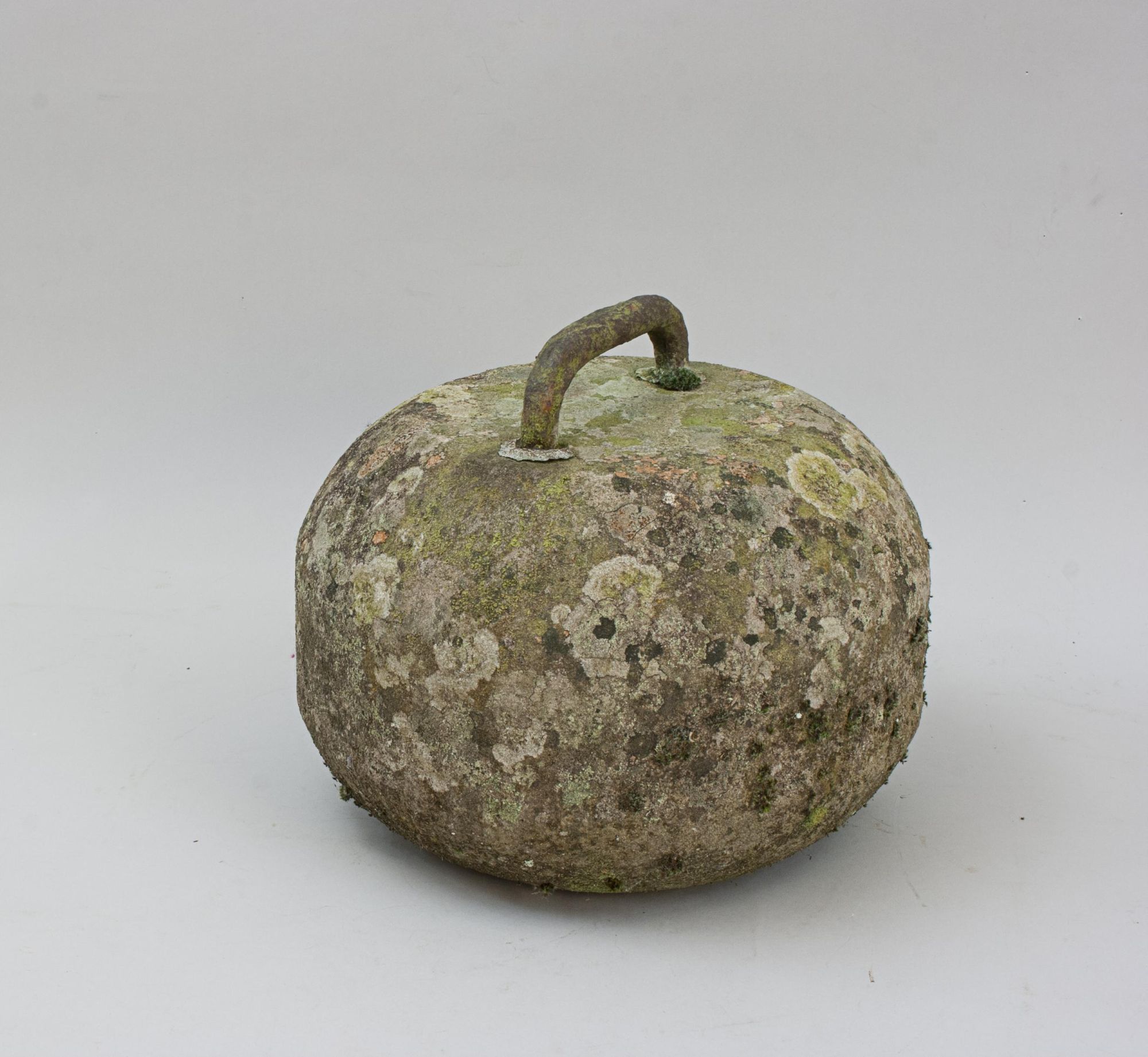
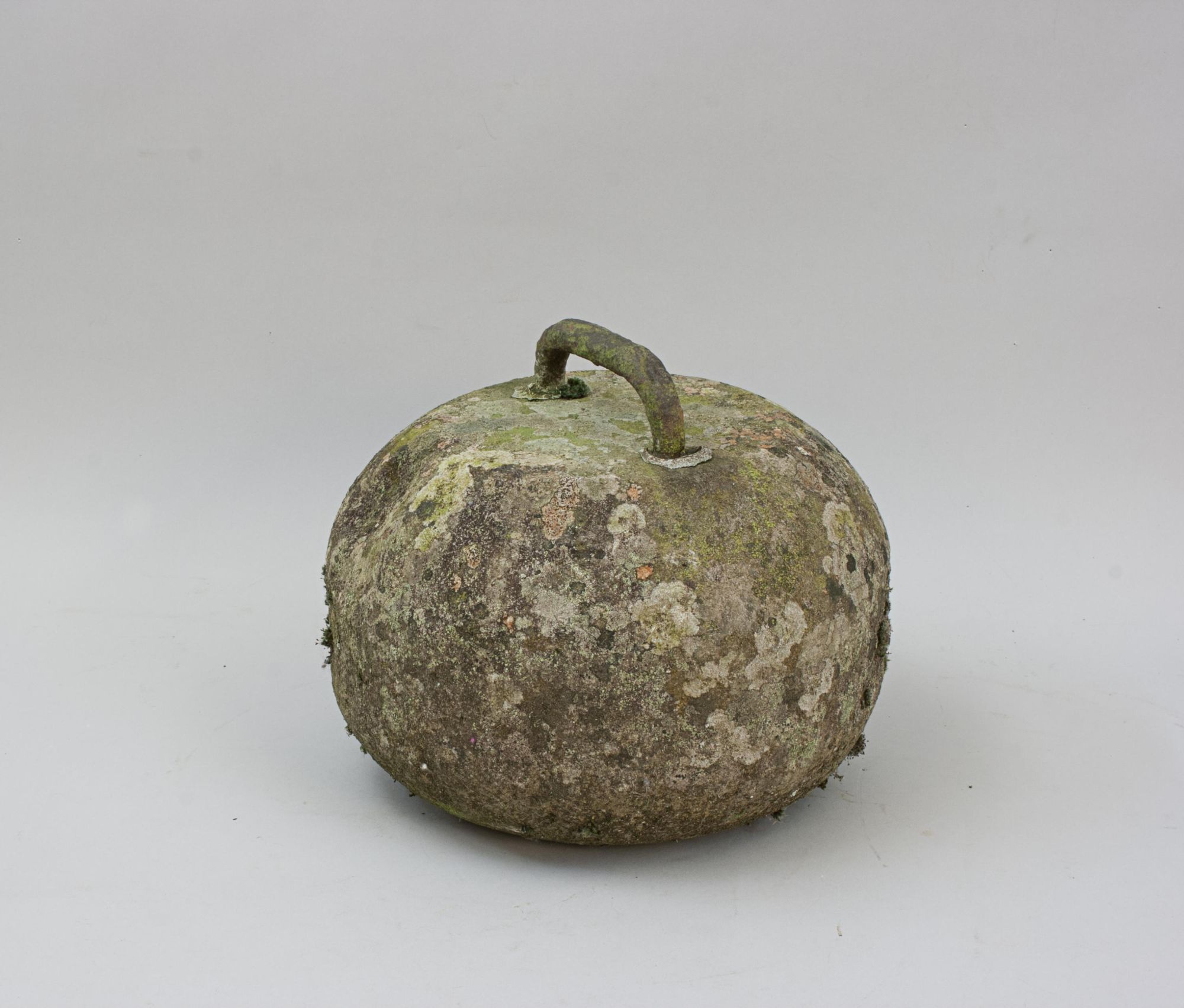
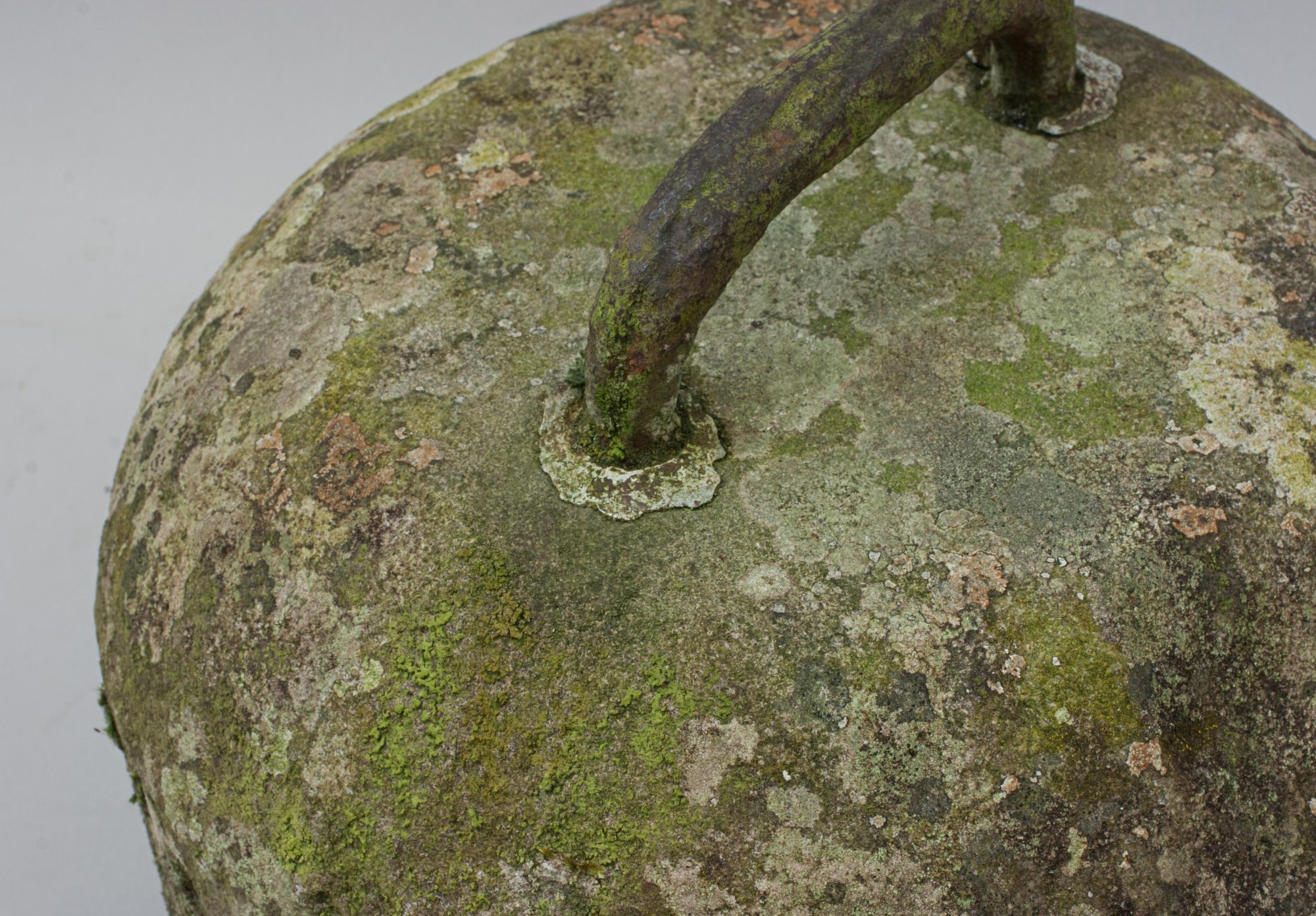
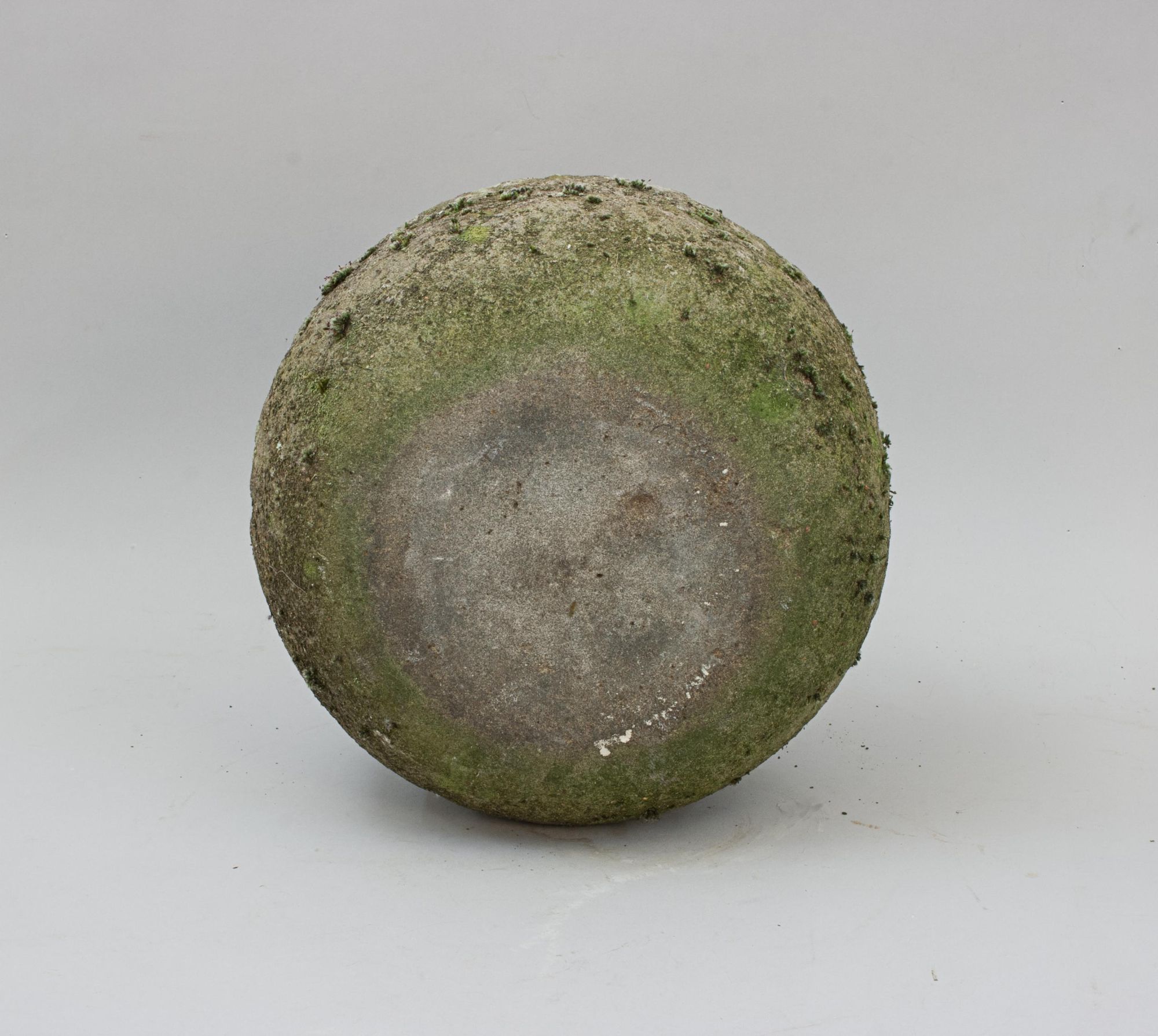
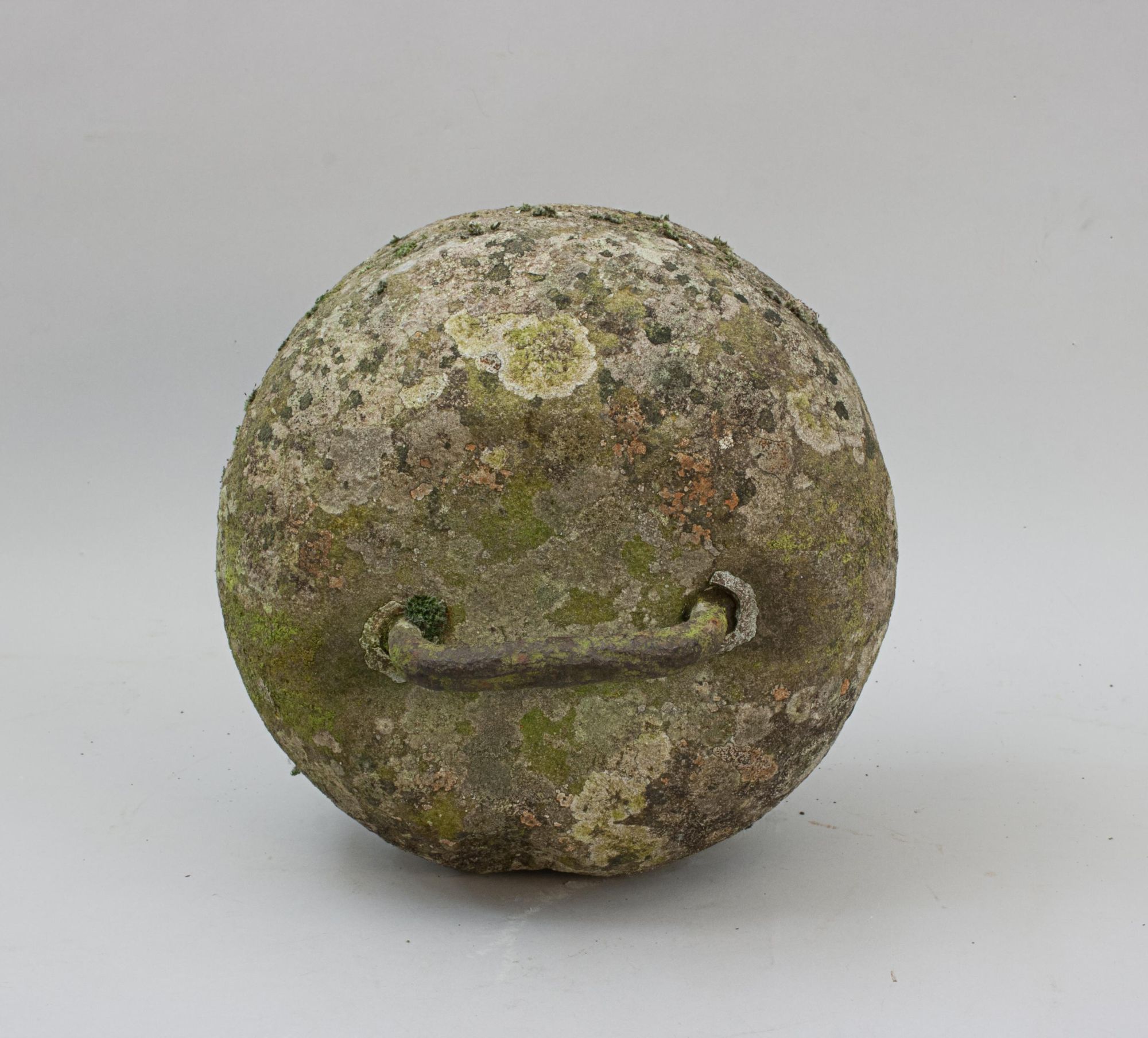
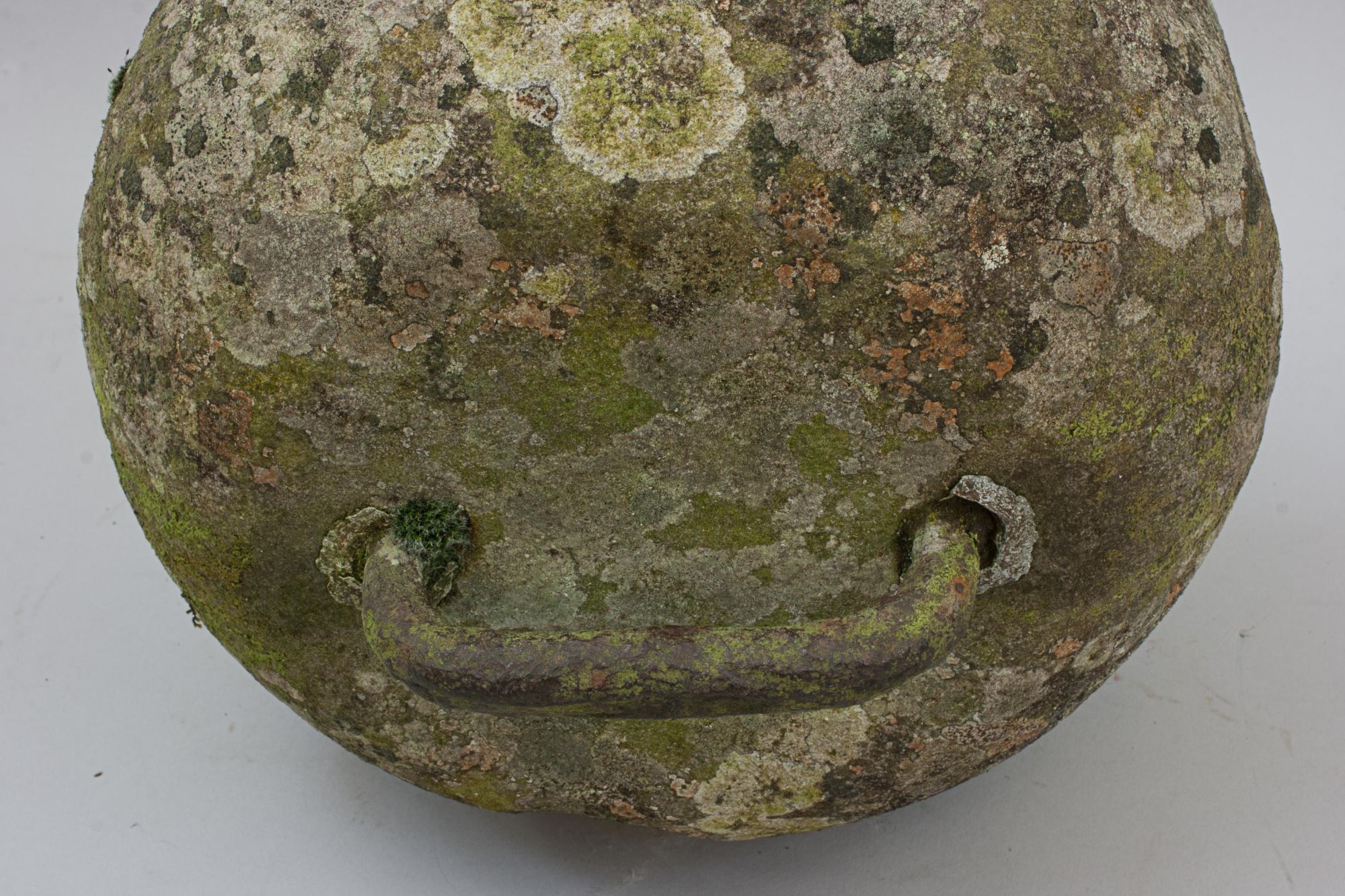
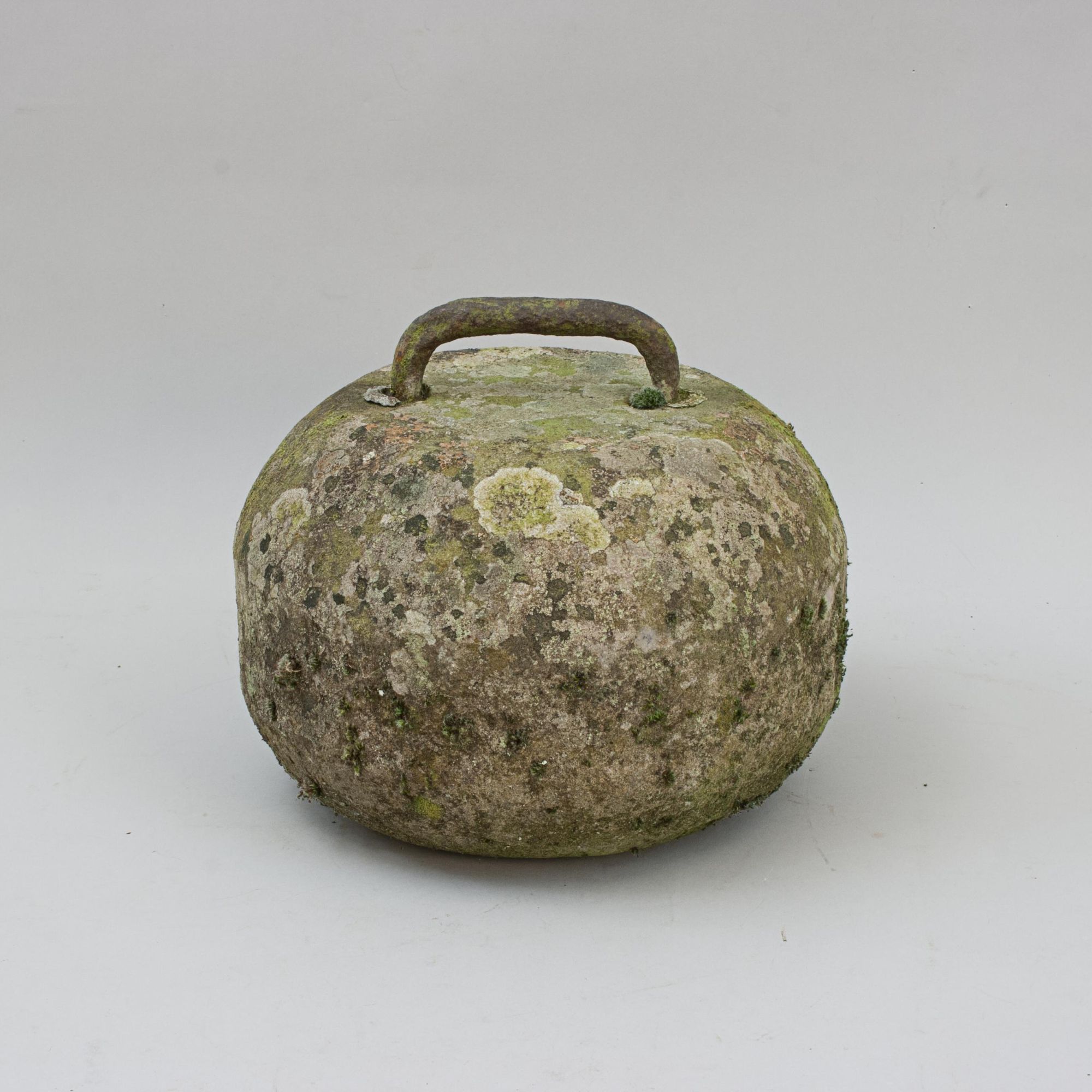
A very large, late 18th Century, heavy example of an early single-soled curling stone, fashioned from rough, unpolished granite and fitted with a forged iron hoop handle, weighing in at nearly 60 lbs. The handle is permanently fixed with lead into holes bored into the top of the stone - a traditional early method of attachment.
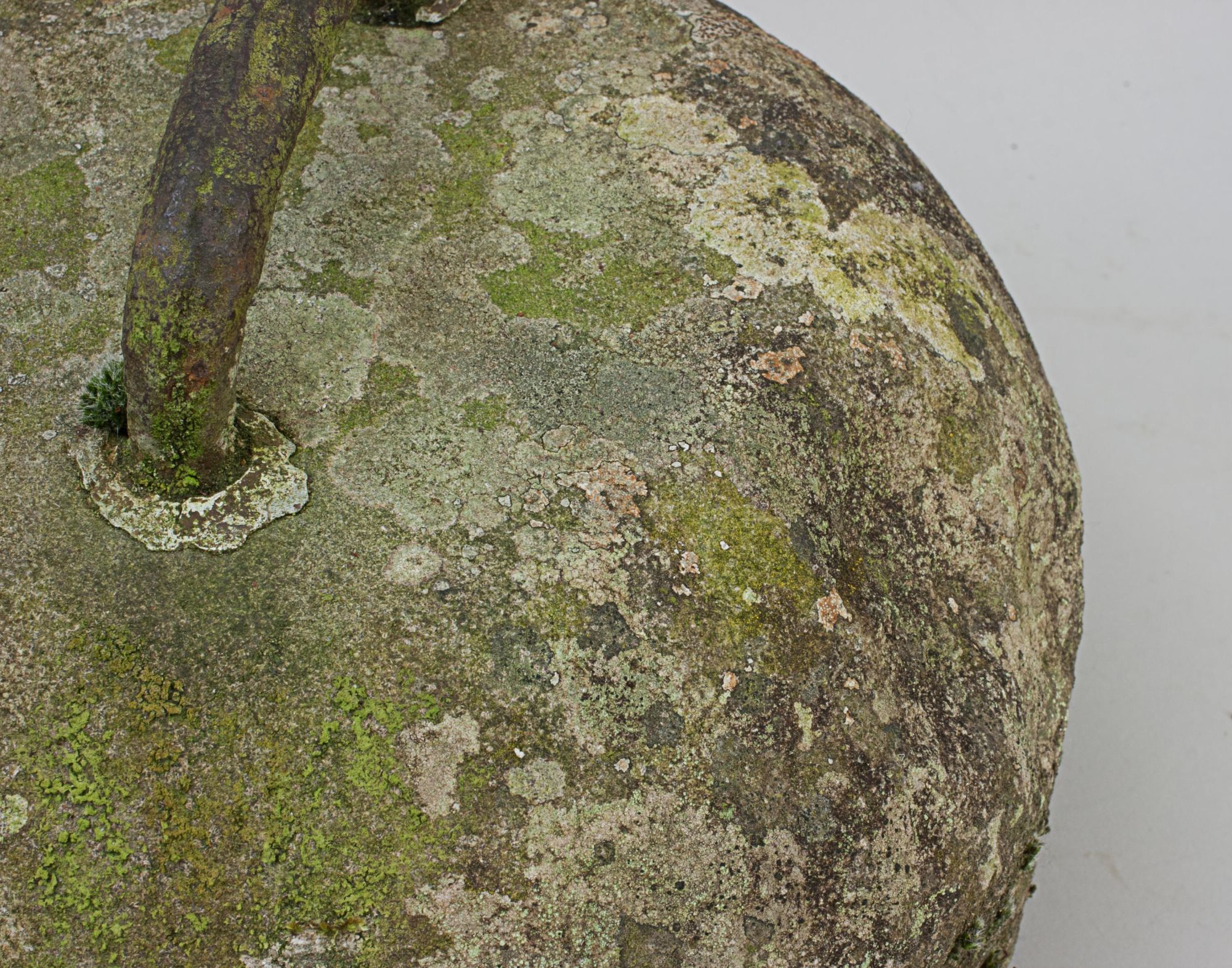
The stone retains a wonderful rustic character, with a coarse, natural surface and traces of moss, lichen, and algae, giving it a romantic, timeworn appeal. The striking band running around the circumference remains largely intact, though a small section is missing above the band - evidence of a few hard encounters over its long life.
Larger than typical examples of the period, this piece would have been used before the introduction of double-soled stones and polished surfaces. The height given is without the handle, which adds an additional 4 cm, and the circumference measures 86½ cm.
A rare and evocative early curling stone, prized both as a collector's item and as a decorative feature - or indeed, a most impressive door stop.
The exact origins of curling are unclear but it is known to have a long history in Scotland, and it was through Scottish immigrants that the game of curling spread to other parts of the world. Early curling was an out door sport that was played on frozen lochs and ponds. Because of the unpredictable weather artificial curling rinks were being made to make a little frost go a long way. Concrete rinks were flooded with small amounts of water so they would freeze solid after a night of frost, thus having a rink to play on when the frozen lochs or ponds were unsafe. The first Curling Clubs were formed in Scotland as were the first rules to standardize curling and its equipment. The Grand Caledonian Curling Club was founded in Edinburgh in 1838, they formally adopted these new rules and became the sport's governing body. They heavily supported the use of round granite stones and rather than eight players each throwing a single stone it changed to a team of four players using two matched stones each. Four years later, in 1843, Her Majesty Queen Victoria so fascinated by the game demonstrated on the polished floor of the ballroom of Scone Palace near Perth she granted the Club the title of Royal Caledonian Curling Club. Curling was firmly established in Canada by the Scots with The Royal Montreal Curling Club being established in 1807, the oldest sports club still active in North America.
Dimensions:
1750-1799
Late 18th Century
Granite
Scotland
Small section missing above the striking band.
RELATED ITEMS